

How Infographic Design Strengthens Modern Websites
Web Design and Infographics: Turning Complex Information into Clear Visual Experiences
A well-designed website does more than look attractive—it helps people understand information quickly and navigate content with ease. One of the most effective ways to achieve this is through thoughtful infographic design and strong information hierarchy.
As a designer, much of my web design work focuses on translating complex ideas into clear visual systems. By combining strategic layout, intuitive user experience, and custom infographic elements, websites can communicate ideas more effectively and keep visitors engaged.
Why Infographics Matter in Web Design
Infographics are one of the most powerful tools for presenting information online. Instead of relying on long paragraphs or dense text, infographics use icons, diagrams, and visual structures to help users quickly grasp key ideas.
When used well, infographics can:
Simplify complex information
Improve website usability and readability
Increase user engagement
Guide visitors through important messages or calls to action
Strengthen brand storytelling
For organizations that need to explain programs, services, or impact, infographics can transform overwhelming content into clear, approachable visual communication.
Using Icon-Based Infographics to Organize Information
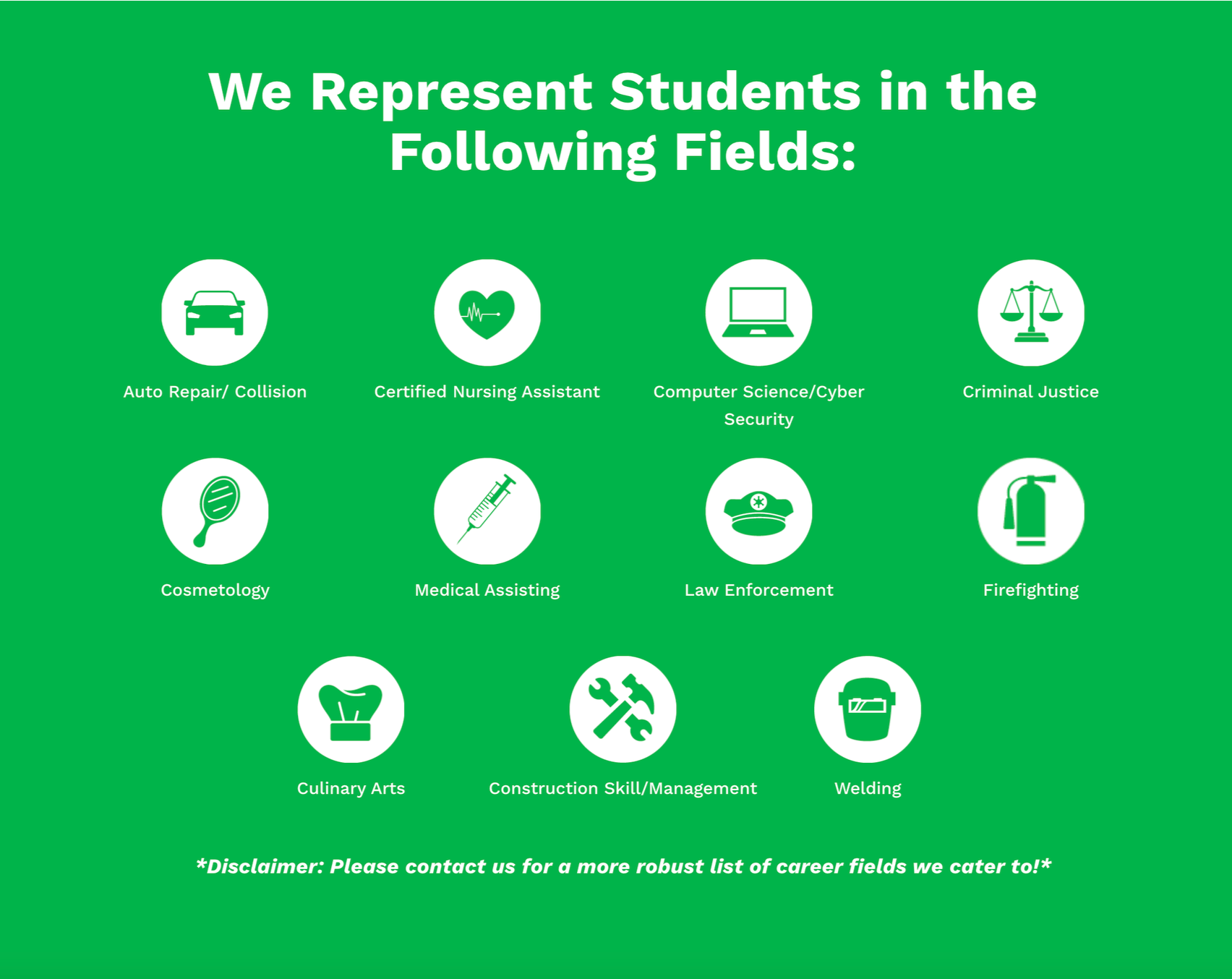
One common type of infographic I design for websites uses icon grids to represent categories or services.
In one example, a structured icon layout visually highlights multiple career pathways supported by an organization. Each field—ranging from healthcare and public safety to construction and technology—is represented by a simple, recognizable icon.
This approach helps visitors quickly scan the information and understand the breadth of opportunities available without reading large amounts of text. By combining clean icons, consistent spacing, and clear labeling, the information becomes much easier to digest.
Visualizing Organizational Values with Diagram Design
Another powerful infographic format involves diagram-based storytelling.
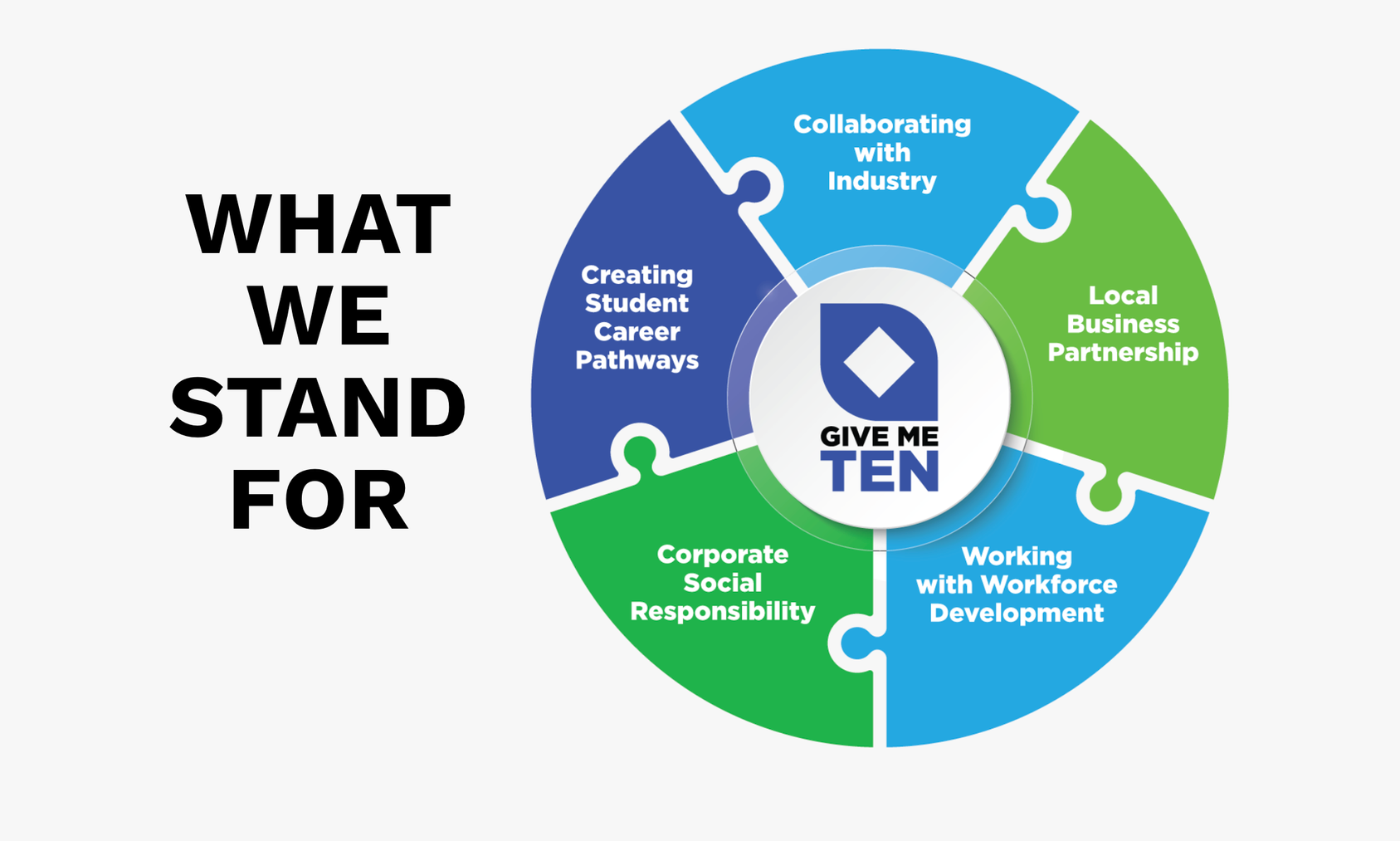
In one project, a circular puzzle-style infographic was created to represent an organization’s core mission and partnerships. Each segment illustrates a key component of their work, including:
Collaborating with industry
Building local business partnerships
Supporting workforce development
Creating student career pathways
Advancing corporate social responsibility
Because the pieces visually connect, the diagram reinforces how each component works together as part of a larger system. This type of visual framework helps audiences understand relationships and processes that might otherwise be difficult to explain through text alone.
Supporting Website Calls to Action with Visual Design
Infographics can also play an important role in guiding visitors toward meaningful actions on a website.
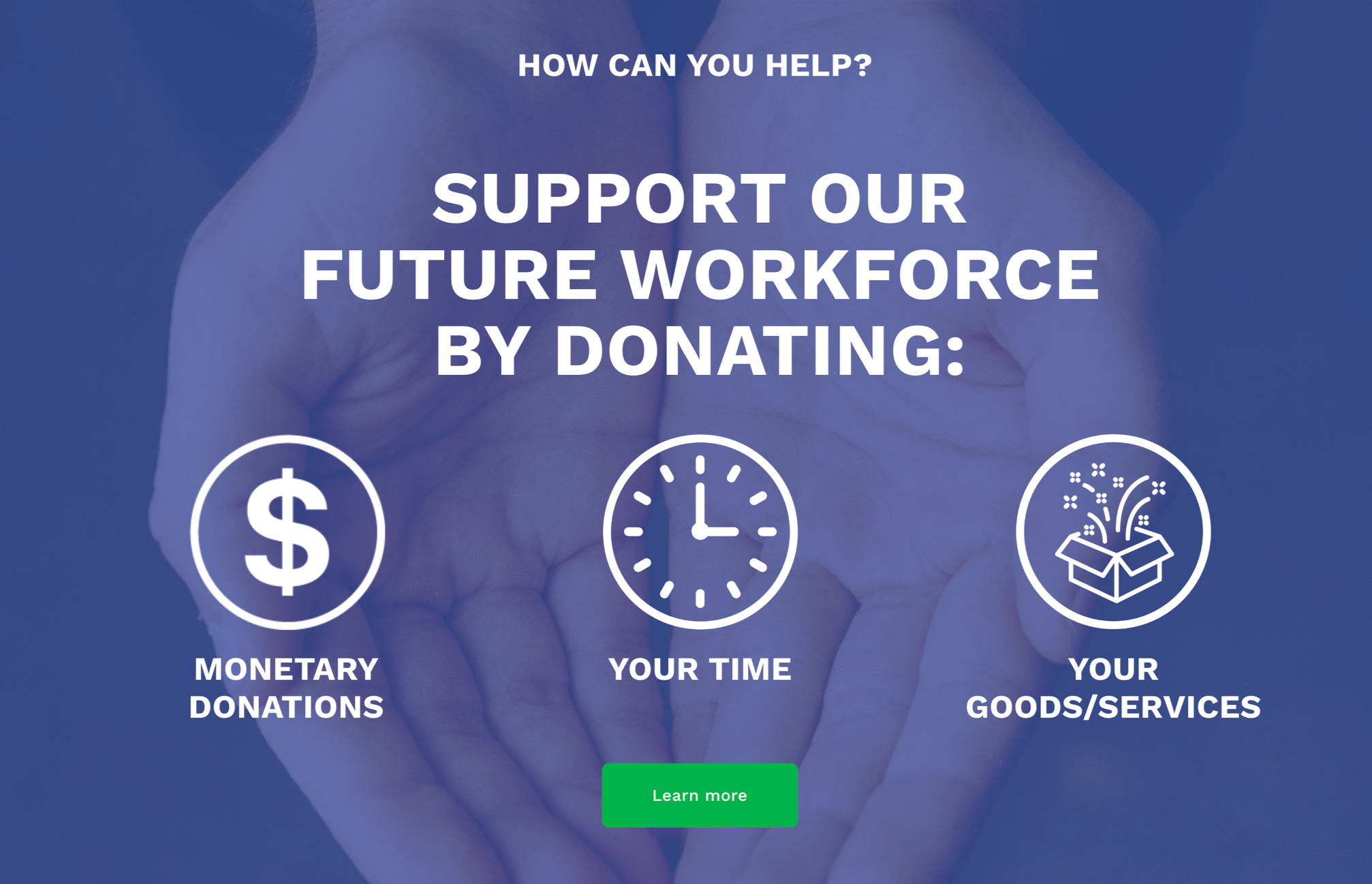
In another example, a donation section uses simple iconography to illustrate three ways supporters can contribute:
Monetary donations
Volunteering time
Providing goods or services
This visual approach makes the options immediately clear while reinforcing the organization’s message. Instead of requiring visitors to read through multiple paragraphs, the infographic communicates the key choices in seconds.
The Role of Information Design in Effective Websites
At the core of all these examples is information design—the practice of organizing content so that it becomes easier to understand and use.
Good information design considers:
Visual hierarchy
Content structure
User behavior
Scannability
Clarity of messaging
When these elements are thoughtfully integrated into web design, the result is a site that not only looks polished but also works better for the people using it.
Designing Websites That Communicate Clearly
As organizations increasingly rely on their websites to communicate with audiences, the ability to translate complex ideas into visual systems has become essential.
Infographics are not just decorative elements—they are tools that improve understanding, guide users through content, and strengthen communication.
Whether designing a website, publication, presentation, or report, my goal is always the same: to bring clarity and structure to information so that it works for the people who rely on it.